Semaglutide Plus: Weight Loss, Dosing, Side Effects & Cost
Introduction to Semaglutide Plus
What Is Semaglutide Plus?
Semaglutide Plus is a specialized clinical weight management framework that combines compounded Semaglutide (a glucagon-like peptide-1 receptor agonist) with clinical guidance, structured dosing protocols, and active metabolic tracking. Rather than just offering a self-guided medication, the "Plus" refers to the comprehensive care model—pairing state-licensed physicians with a flat-rate prescription service to help patients navigate weight loss safely and affordably.
How Semaglutide Plus Works
The program relies on Semaglutide's ability to act as a bio-identical match to the natural GLP-1 hormone released by the gut. It slows stomach emptying (delayed gastric emptying), stimulates glucose-dependent insulin release, and targets satiety receptors in the brain's hypothalamus. By slowing the digestive tract and signaling satisfaction to the brain, the program makes it physically easier to maintain a calorie deficit without fighting severe hunger signals.
Why Semaglutide Plus Has Become Popular
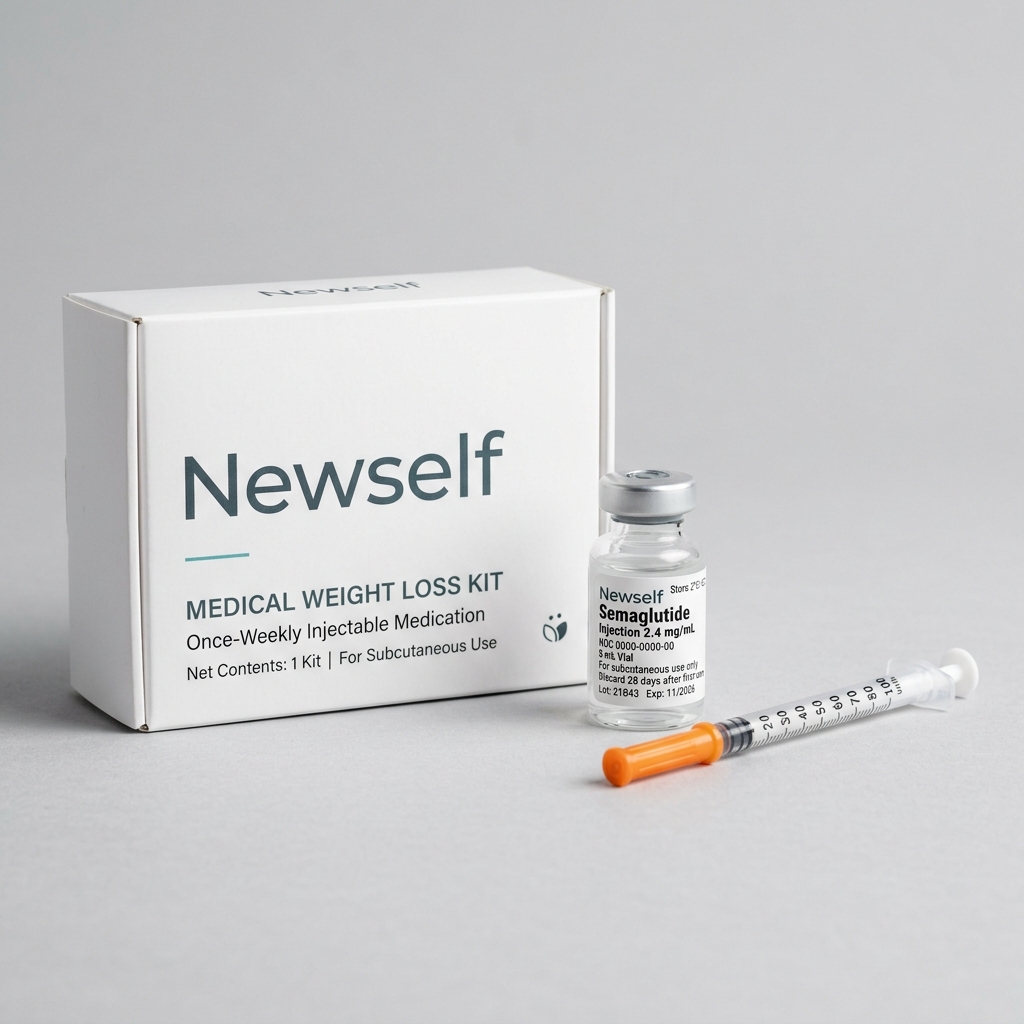
Semaglutide medications have surged in demand, causing widespread FDA drug shortages for brand-name products. Telehealth programs have filled this gap by offering compounded alternatives. By sourcing Semaglutide directly from licensed compounding pharmacies, platforms like Newself provide access to the same active chemical compound without insurance hurdles, charging a flat cash rate regardless of the dosage strength.

Semaglutide Plus for Weight Management
For chronic weight management, Semaglutide Plus is used as a long-term tool to target visceral and subcutaneous body fat. The goal is to facilitate steady, sustainable fat reduction while working with patients to build healthy eating habits and incorporate resistance exercise, protecting lean skeletal muscle mass during weight loss.
Semaglutide Plus vs Traditional Weight Loss Methods
Traditional weight loss efforts (extreme calorie restriction, excessive cardio) often trigger the body's starvation defense mechanisms. This causes levels of the hunger hormone ghrelin to spike while the metabolic rate drops. Semaglutide Plus counters this biological rebound by chemically muting the "food noise" and persistent cravings, allowing patients to adapt to smaller portion sizes without constant hunger.
What Is Semaglutide?
Understanding Semaglutide
What Is Semaglutide?
Semaglutide is a pharmaceutical-grade chemical analog of the naturally occurring incretin hormone, glucagon-like peptide-1 (GLP-1). Originally synthesized to help manage type 2 diabetes, its profound impact on satiety and metabolic pathways led to its approval for chronic weight management.

What Is Semaglutide Prescribed For?
In the United States, Semaglutide is FDA-indicated and prescribed for:
- Chronic Weight Management: In adults with obesity (BMI ≥ 30) or overweight (BMI ≥ 27) who have at least one weight-related condition (such as high blood pressure, type 2 diabetes, or high cholesterol).
- Type 2 Diabetes Mellitus: To improve glycemic control (blood sugar levels) and reduce the risk of major adverse cardiovascular events (heart attack, stroke) in adults with type 2 diabetes and established cardiovascular disease.
Semaglutide Drug Class
Semaglutide belongs to the drug class known as GLP-1 receptor agonists (incretin mimetics). These medications mimic the action of natural incretin hormones that help regulate glucose metabolism and appetite.
Is Semaglutide a Peptide?
Yes, Semaglutide is a peptide. It is a modified 31-amino acid peptide analog that shares approximately 94% sequence homology with native human GLP-1.

Semaglutide Structure and Composition
Its molecular formula is C187H291N45O59. Scientists modified the native peptide chain by replacing the alanine at position 8 with alpha-aminoisobutyric acid (to prevent rapid enzyme degradation by DPP-4) and attaching a 16-carbon fatty diacid chain to lysine at position 26 (to facilitate strong binding to blood albumin, extending its biological half-life to approximately 7 days).
How Semaglutide Works
Semaglutide Mechanism of Action (MOA)
When injected or ingested, Semaglutide acts as an agonist that binds to and activates GLP-1 receptors throughout the body. It stimulates pancreatic beta cells to release insulin in a glucose-dependent manner (meaning insulin is only released when blood sugar is elevated, keeping the risk of hypoglycemia very low) and suppresses glucagon release from alpha cells.
GLP-1 Receptor Agonist Explained
An "agonist" is a chemical that activates a receptor to produce a biological response. By acting as a GLP-1 receptor agonist, Semaglutide provides sustained activation of receptors that usually only fire briefly after a meal. While native GLP-1 is cleared by enzymes within minutes, Semaglutide resists enzymatic degradation, remaining active in the bloodstream for a full week.

Effects on Appetite and Hunger
Semaglutide crosses the blood-brain barrier and binds directly to receptors in the hypothalamus—the brain's primary control center for hunger. This chemical signal reduces food cravings and silences constant thoughts about food (often called "food noise"), making it much easier to feel satisfied with smaller meals.
Effects on Blood Sugar Control
By improving insulin sensitivity and slowing down digestion, Semaglutide prevents post-meal blood sugar spikes. It helps stabilize daily glucose readings, which supports cellular energy and prevents the sharp drops in blood sugar that often cause sudden sugar cravings.
Effects on Metabolism
Semaglutide improves glycemic control and reduces systemic inflammation. This shift allows the body to access stored visceral fat reserves for fuel more easily, supporting fat loss while helping preserve active lean muscle tissue.
Semaglutide Brand Names and Medications
FDA-Approved Semaglutide Brands
Novo Nordisk manufactures the three FDA-approved brand-name formulations of Semaglutide:
- Ozempic: A once-weekly subcutaneous injection approved for type 2 diabetes. It is prescribed in doses ranging from 0.25 mg to 2.0 mg per week.
- Wegovy: A once-weekly subcutaneous injection approved for chronic weight management. It features a higher maximum maintenance dosage of 2.4 mg per week.
- Rybelsus: A once-daily oral tablet approved for type 2 diabetes, available in 3 mg, 7 mg, and 14 mg strengths.
Generic and Compounded Options
Generic Semaglutide
There is currently no FDA-approved true generic Semaglutide available in the United States. Branded patents are protected for several years, preventing traditional generic manufacturers from producing low-cost versions.
Semaglutide Generic Name
The generic name of the active pharmaceutical ingredient is semaglutide (pronounced seh-mah-GLOO-tide).
Compounded Semaglutide
Compounded Semaglutide is a customized medication prepared by state-licensed compounding pharmacies. Under Section 503A of the Federal Food, Drug, and Cosmetic Act, licensed pharmacies can compound copies of commercially available drugs when a drug is listed on the official FDA drug shortage database. This allows patients to maintain their treatment protocols when branded options are unavailable.
Semaglutide Compound Products
Compounding pharmacies often mix the active Semaglutide peptide with supportive ingredients. For example, compounding it with Vitamin B12 (Cyanocobalamin) or Glycine can help support energy levels and mitigate mild fatigue, a common side effect of calorie restriction.
Semaglutide Brand Comparison Table
| Brand | Form | Primary Use | Frequency |
|---|---|---|---|
| Ozempic | Subcutaneous Injection | Type 2 Diabetes | Weekly |
| Wegovy | Subcutaneous Injection | Weight Loss | Weekly |
| Rybelsus | Oral Tablet | Type 2 Diabetes | Daily |
| Compounded Semaglutide | Subcutaneous Injection | Weight Loss (Telehealth) | Weekly |
Semaglutide Plus for Weight Loss
How Semaglutide Supports Weight Loss
Appetite Suppression
By binding to receptors in the brain stem and hypothalamus, Semaglutide helps turn down the volume on hunger signals, making it easier to manage calorie intake throughout the day.
Reduced Food Cravings
It interacts with dopaminergic reward pathways, helping reduce the urge to snack on high-fat, high-sugar comfort foods.
Increased Satiety
It slows the rate at which food moves through your stomach, helping you feel full faster and stay satisfied longer after eating.
Calorie Reduction
By reducing cravings and increasing feelings of fullness, Semaglutide helps you naturally maintain a caloric deficit without feeling deprived.
Expected Weight Loss Results
Short-Term Results
During the initial phase at the starting dose (0.25 mg), the body begins adapting. Early weight loss is typically modest, averaging 2 to 5 pounds, which often includes a reduction in water weight as systemic inflammation decreases.
Medium-Term Results
As you titrate up to 0.5 mg and 1.0 mg, fat loss generally becomes more consistent, averaging 1 to 2 pounds per week. Most patients see a noticeable difference in how their clothes fit during this time.
Long-Term Results
Once you reach the maintenance dose (1.7 mg to 2.4 mg), weight loss peaks and stabilizes. In the landmark 68-week **STEP-1 Clinical Trial**, adults using a 2.4 mg weekly dose achieved an average weight loss of 14.9% of their baseline body weight, compared to just 2.4% in the placebo group.
Who May Benefit
Adults with Obesity
Individuals with a BMI ≥ 30 can use Semaglutide as a metabolic reset tool to help reduce the risk of weight-related health conditions.
Overweight Adults
Individuals with a BMI ≥ 27 who also have at least one weight-related condition, such as hypertension or elevated lipids, can benefit from Semaglutide to help improve their cardiovascular risk profile.
Weight Management Programs
Semaglutide is most effective when integrated into a structured program that provides medical oversight, personalized dosing plans, and nutritional support.
Semaglutide Dosage Guide
Semaglutide Starting Dose
Beginner Dosage
The standard starting dose for Semaglutide is 0.25 mg injected once weekly for the first 4 weeks. This low dose is designed to introduce the peptide to your body and minimize initial gastrointestinal side effects.
Dose Escalation Schedule
Following the initial month, the dose is gradually increased every 4 weeks under medical supervision. This stepwise approach helps your body adapt to the medication and reduces the likelihood of severe nausea or digestion changes.
Semaglutide Dosage Chart
The titration schedule below shows the typical progression toward the target maintenance dose:
Weekly Titration Progression
Weekly Dosing Schedule
Inject your dose on the same day each week, at any time of day. You can change your weekly injection day as long as the last dose was given 2 or more days prior.
Maintenance Dosage
The target maintenance dosage is 1.7 mg or 2.4 mg injected subcutaneously once weekly. Depending on how you tolerate the medication and the rate of your weight loss, your doctor may recommend remaining at a lower dose (such as 1.0 mg) if you are seeing good results with minimal side effects.
Compounded Semaglutide Dosage Chart
Compounded Semaglutide is typically shipped in a multi-dose vial. The concentration is often 2.5 mg per mL (or 5 mg per 2 mL). When administering your dose, you will draw a specific volume into a U-100 insulin syringe (calibrated in Units, where 100 units = 1.0 mL):
| Titration Phase | Active Dose (mg) | Liquid Volume (mL) | Syringe Units (U-100) |
|---|---|---|---|
| Month 1 (Weeks 1-4) | 0.25 mg | 0.10 mL | 10 Units |
| Month 2 (Weeks 5-8) | 0.50 mg | 0.20 mL | 20 Units |
| Month 3 (Weeks 9-12) | 1.00 mg | 0.40 mL | 40 Units |
| Month 4 (Weeks 13-16) | 1.70 mg | 0.68 mL | 68 Units |
| Month 5+ (Maintenance) | 2.40 mg | 0.96 mL | 96 Units |
Typical Titration Examples
While the standard 16-week titration is recommended, dosing is individualized. If a patient experiences significant nausea when escalating from 0.5 mg to 1.0 mg, their doctor may recommend a transitional dose of 0.75 mg (30 Units on a 2.5 mg/mL vial) for a few weeks to build tolerance.
Administration Considerations
Semaglutide is administered once weekly via subcutaneous injection. Keep the medication refrigerated at 36°F to 46°F (2°C to 8°C). Avoid freezing the vial, and protect it from direct light. Ensure you use a fresh, sterile syringe for every injection, and dispose of used needles safely in a sharps container.
Missed Dose Information
What to Do if a Dose Is Missed
If you miss a dose, administer it as soon as possible if it is within 5 days of your missed date. If more than 5 days have passed, skip the missed dose entirely and take your next dose on your regularly scheduled day. Do not take a double dose to make up for a missed one.
Restarting Treatment
If you miss your weekly injection for two consecutive weeks or longer, do not inject your previous maintenance dose. Because your body's level of the active peptide has dropped, restarting at a high dose can cause severe gastrointestinal side effects. Contact your doctor to discuss restarting at a lower titration step (typically 0.25 mg) and rebuilding your dosage gradually.
Semaglutide Injection
Understanding Semaglutide Injections
How the Injection Works
A subcutaneous injection delivers the Semaglutide peptide into the fatty tissue layer just beneath the skin. From there, it is slowly absorbed into the capillaries, providing a steady release into the bloodstream over several days.
Injection Frequency
The injection is administered once weekly, on the same day each week, and can be taken at any time of day, with or without food.
Injection Sites
Recommended injection sites include the abdomen (at least 2 inches away from the belly button), the front of the thigh, or the outer upper arm. It is important to rotate your injection site weekly to prevent localized skin irritation or lipodystrophy.
Best Practices for Injections:
- Clean the injection site with an alcohol prep pad before injecting.
- Pinch the skin gently and insert the needle at a 90-degree angle.
- Depress the plunger fully and hold the needle in place for 5 seconds to ensure the full dose is delivered.
Semaglutide Injection for Weight Loss
Treatment Expectations
While Semaglutide is a powerful support tool, weight loss results are most effective when paired with lifestyle changes. It helps manage appetite, but focusing on nutrient-dense meals and consistent physical activity supports overall health and long-term weight management.
Best Practices
To support hydration and preserve lean muscle mass, it is helpful to drink plenty of water and prioritize dietary protein. If you experience mild nausea, focus on smaller, more frequent meals and avoid rich, fatty foods.
Semaglutide Injection for Diabetes
Blood Sugar Management
For type 2 diabetes, weekly injections help regulate fasting and post-meal blood sugar levels. By supporting natural insulin secretion when glucose is high, it helps lower overall HbA1c levels, with clinical trials showing average reductions of 1.2% to 1.8%.
Long-Term Benefits
Beyond glucose management, once-weekly injections help support cardiovascular health, reduce kidney stress, and protect pancreatic beta-cell function.
Oral Semaglutide and Tablets
Semaglutide Tablets Overview
Because peptides are typically broken down by stomach acid, creating an oral Semaglutide tablet required a unique formulation. The daily tablet (Rybelsus) is co-formulated with SNAC (sodium salcaprozate) to help protect the peptide and facilitate its absorption through the stomach lining.
Oral Semaglutide Explained
The SNAC molecule raises the local pH in the stomach, shielding the Semaglutide peptide from acidic degradation and encouraging its absorption. Because the overall absorption rate through this pathway is under 1%, daily oral doses are much higher (7 mg or 14 mg) compared to weekly injections (which deliver near-100% absorption directly into the bloodstream).
How Tablets Differ from Injections
The primary difference lies in the administration guidelines. Tablets must be taken daily, immediately upon waking, on an empty stomach with a small sip of water (no more than 4 ounces). You must wait at least 30 minutes before eating, drinking, or taking other oral medications to ensure proper absorption.
Semaglutide Pills for Weight Loss
Benefits
Oral tablets offer a convenient option for individuals who prefer to avoid weekly injections or needle disposal.
Limitations
Because absorption through the stomach can vary based on food intake, oral tablets generally show slightly lower average weight loss efficacy in clinical trials compared to weekly injections.
Oral vs Injectable Semaglutide
| Feature | Oral Semaglutide | Injectable Semaglutide |
|---|---|---|
| Frequency | Daily | Weekly |
| Bioavailability | Very Low (~1.0%) | Very High (~99%) |
| Administration Rules | Strict empty stomach, max 4 oz water, 30 min wait | Any time of day, with or without food |
Benefits of Semaglutide Plus
Weight Loss Benefits
Reduced Appetite
It helps quiet persistent food cravings and intrusive thoughts about eating, making it easier to manage calorie intake throughout the day.
Sustainable Weight Management
By helping you adapt to smaller portions, the medication supports a steady, manageable rate of weight loss rather than rapid fluctuations.
Metabolic Benefits
Improved Blood Sugar Control
It stimulates insulin release in response to elevated blood glucose, helping reduce baseline glycemic levels and lowering overall HbA1c.
Better Insulin Sensitivity
Over time, weight loss and stable blood sugar levels help lower insulin resistance, supporting healthy cellular glucose uptake.
Cardiovascular Benefits
Heart Health Support
Clinical trials indicate that weekly Semaglutide therapy is associated with improvements in blood pressure and lipid profiles.
Cardiovascular Outcomes Research
In the landmark SELECT Cardiovascular Trial, a once-weekly 2.4 mg dose of Semaglutide was shown to reduce the risk of major adverse cardiovascular events (such as cardiovascular death, heart attack, or stroke) by 20% in overweight and obese patients without diabetes who had pre-existing cardiovascular disease.
Semaglutide Side Effects
Common Side Effects
Most common side effects are mild-to-moderate and tend to improve as your body adapts to the medication:
Nausea
Occurs in approximately 15% to 30% of patients, particularly during titration steps. Nausea can often be managed by eating smaller meals and staying hydrated.
Vomiting
Less common than nausea, this usually resolves within a few days of starting a new dose level.
Diarrhea
Can occur as the body adjusts to changes in digestive pace. Focus on hydration and simple foods.
Constipation
Because Semaglutide slows digestion, constipation can occur. Prioritize dietary fiber and adequate water intake.
Stomach Discomfort
Mild bloating, gas, or acid reflux are common as the stomach adapts to delayed emptying.
Less Common Side Effects
Fatigue
Some patients experience mild tiredness, which is often related to a rapid reduction in calorie intake.
Headaches
Can occur during the first few weeks, often due to changes in hydration or dietary habits.
Digestive Changes
Alterations in bowel habits or mild changes in taste may occur.
Serious Risks and Warnings
Potential Safety Concerns
Serious but rare risks include acute pancreatitis, gallbladder disease (such as gallstones), and acute kidney injury (often secondary to severe dehydration). Additionally, Semaglutide carries a boxed warning regarding thyroid C-cell tumors based on rodent studies. It is contraindicated in patients with a personal or family history of Medullary Thyroid Carcinoma (MTC) or Multiple Endocrine Neoplasia syndrome type 2 (MEN 2).
When to Contact a Healthcare Provider
Seek immediate medical attention if you experience severe, persistent abdominal pain (which may radiate to the back and indicate pancreatitis), persistent vomiting, or signs of an allergic reaction.
Wegovy Side Effects
In weight loss trials, Wegovy (2.4 mg) side effects were primarily gastrointestinal, with approximately 44% of patients reporting mild-to-moderate nausea.
Ozempic Side Effects
At diabetes dose levels (up to 2.0 mg), side effects remain similar but are reported slightly less frequently, with nausea occurring in roughly 15% to 20% of patients.
Semaglutide Cost and Pricing
Semaglutide Cost Factors
Prescription Costs
Retail out-of-pocket pricing for brand-name Wegovy is high, often averaging $1,350 per month without insurance.
Insurance Coverage
Many commercial insurance plans exclude weight loss medications from coverage, or require extensive prior authorization, leaving patients responsible for the full retail cost.
Pharmacy Pricing
Telehealth programs offer an alternative to retail pricing by working with state-licensed compounding pharmacies, providing medication directly to patients for a flat monthly fee.
Semaglutide Injection Price
Compounded Semaglutide through telehealth networks like Newself starts at an introductory promotional price of $99.97 for the first month, with a standard flat rate of $199 per month thereafter. This flat rate applies to all titration steps, so costs do not increase as your dose increases.
Semaglutide Tablet Price
Oral Rybelsus tablets average approximately $900 to $1,000 per month retail, and are subject to the same insurance coverage restrictions.
Monthly Treatment Costs
When evaluating monthly costs, it is helpful to verify if telehealth fees, medical consultations, and shipping are included in the flat rate. Compounded options typically bundle these services, making them a predictable cash-pay choice.
Semaglutide vs Tirzepatide
What Is Tirzepatide?
Tirzepatide (Mounjaro, Zepbound) is a dual-acting receptor agonist that targets both GLP-1 (glucagon-like peptide-1) and GIP (glucose-dependent insulinotropic polypeptide) pathways. By targeting two metabolic receptors rather than one, it provides a broader range of glycemic and appetite signals.
Semaglutide vs Tirzepatide Comparison
| Feature | Semaglutide | Tirzepatide |
|---|---|---|
| Receptor Targets | GLP-1 Only | GLP-1 + GIP (Dual Action) |
| Average Weight Loss (Clinical Trials) | ~14.9% (STEP-1) | ~20.9% (SURMOUNT-1) |
| Newself Compounded Cost | $199 / month (Promo: $99.97) | $348 / month (Promo: $144.49) |
| Side Effect Profile | Gastrointestinal (nausea, constipation) | Comparable, with slightly lower reported severe nausea during maintenance |
Weight Loss Differences
Clinical trial data indicates that Tirzepatide's dual-receptor activity generally leads to a higher average weight reduction (approximately 20.9% over 72 weeks) compared to Semaglutide's single-receptor activity (approximately 14.9% over 68 weeks).
Side Effect Differences
Both medications present similar gastrointestinal side effects, including nausea and constipation. However, because Tirzepatide utilizes GIP pathway activation, some patients report slightly milder nausea during titration steps.
Cost Differences
Tirzepatide is more expensive to synthesize, which is reflected in its pricing. Brand-name Zepbound retails for around $1,050 per month, while compounded options via Newself cost $348 per month, compared to $199 per month for Semaglutide.
Which Option May Be Better?
If weight loss goals are moderate and budget is a primary factor, Semaglutide is a well-established and cost-effective choice. If maximum weight loss is desired and budget permits, Tirzepatide may be considered.
Semaglutide vs Other Weight Loss Medications
Semaglutide vs Liraglutide
Liraglutide (Saxenda) is a first-generation daily GLP-1 injection. While effective, it requires daily dosing and clinical trials show lower average weight loss (about 8%) compared to once-weekly Semaglutide.
Retatrutide vs Semaglutide
Retatrutide is an investigational triple-hormone receptor agonist targeting GLP-1, GIP, and glucagon pathways. Early phase-2 clinical data indicates it may support average weight loss of up to 24% over 48 weeks, though it is not yet FDA-approved.
Ozempic vs Wegovy
While both contain the active ingredient semaglutide, they are approved for different indications. Ozempic is indicated for type 2 diabetes with a maximum weekly dose of 2.0 mg, whereas Wegovy is approved for weight management with a maximum weekly maintenance dose of 2.4 mg.
GLP-1 Medication Comparison
Newer weekly peptide options have largely replaced older daily injections like Liraglutide, offering improved compliance and more consistent weight management support.
Semaglutide and Cardiovascular Health
Cardiovascular Outcomes Research
In the landmark SELECT Clinical Trial, published in the New England Journal of Medicine, researchers evaluated 17,604 overweight and obese patients without diabetes who had established cardiovascular disease. Over an average follow-up of 33 months, a once-weekly 2.4 mg dose of Semaglutide was shown to reduce the risk of major adverse cardiovascular events (cardiovascular death, nonfatal heart attack, or nonfatal stroke) by 20% compared to placebo.
Obesity Without Diabetes Studies
The SELECT trial was significant because it demonstrated that Semaglutide provides cardiovascular benefits in patients who are overweight or obese but do not have diabetes, moving the medication beyond glycemic control.
Heart Health Benefits
Semaglutide helps support heart health by reducing systemic inflammation, improving lipid profiles, and helping lower systolic blood pressure (with trials showing average drops of 3 to 5 mmHg).
Risk Reduction Findings
These findings suggest that weight management with Semaglutide is associated with long-term benefits for cardiovascular risk reduction in at-risk populations.
Semaglutide Plus Treatment Program
What a Typical Program Includes
Medical Assessment
Programs begin with a detailed health questionnaire and virtual consult with a licensed doctor to review medical history, contraindications, and treatment eligibility.
Personalized Dosing
Your provider establishes a starting dose and designs a titration schedule based on your individual weight loss progress and tolerability.
Nutrition Guidance
Many programs provide nutritional frameworks to help ensure you consume adequate protein and micronutrients during treatment.
Lifestyle Recommendations
Advice on incorporating physical activity, particularly resistance training, helps support fat loss while maintaining lean muscle.
Progress Tracking
Regular check-ins allow your medical team to monitor your progress, manage any side effects, and coordinate prescription refills.
Maximizing Results
Healthy Eating Habits
Focusing on whole foods, lean proteins, and fiber supports digestive health and energy levels while on Semaglutide.
Physical Activity
A mix of resistance training and cardiovascular exercise helps maintain metabolic health and supports overall strength during weight loss.
Consistency and Compliance
Taking your injection on the same day each week and following your titration schedule are key to achieving consistent results.
Frequently Asked Questions
What Is Semaglutide?
Semaglutide is a modified 31-amino acid peptide analog that acts as a GLP-1 receptor agonist, helping regulate appetite and support glycemic control.
How Does Semaglutide Work?
It mimics natural satiety hormones, slowing digestion and signaling fullness to the brain to help manage food intake.
Is Semaglutide a Peptide?
Yes, it is a synthetic peptide with 94% sequence homology to native human GLP-1, adjusted for a longer half-life in the body.
Is Ozempic Semaglutide?
Yes, Ozempic is an FDA-approved brand name for injectable Semaglutide, indicated specifically for managing type 2 diabetes.
What Is Wegovy?
Wegovy is the FDA-approved brand name for injectable Semaglutide indicated for chronic weight management in adults with obesity or overweight.
What Is the Difference Between Semaglutide and Tirzepatide?
Semaglutide targets GLP-1 receptors alone, while Tirzepatide targets both GLP-1 and GIP receptors, which clinical trials indicate supports higher average weight loss.
How Much Weight Can You Lose with Semaglutide?
In clinical trials (STEP-1), adults achieved an average weight loss of 14.9% of their baseline weight over 68 weeks when paired with lifestyle modifications.
What Are the Most Common Side Effects?
The most frequent side effects are gastrointestinal, including mild-to-moderate nausea, vomiting, diarrhea, and constipation.
How Much Does Semaglutide Cost?
Brand-name options retail for around $1,350/mo. Telehealth programs like Newself offer compounded options starting at $99.97/mo (promotional first month) and $199/mo standard flat rate.
Is Oral Semaglutide Effective?
Yes, oral Semaglutide (Rybelsus) supports glycemic control, though clinical data indicates weekly injections are generally more effective for weight loss.
What Is Compounded Semaglutide?
It is a customized formulation prepared by state-licensed compounding pharmacies, utilizing the active chemical compound during official drug shortages.
How Long Does Semaglutide Take to Work?
Appetite reduction can occur within the first few weeks, with consistent weight loss progress developing over several months as you reach maintenance doses.
Conclusion
Is Semaglutide Plus Right for You?
Deciding on a weight management program involves evaluating your weight loss goals, budget, and health history. Semaglutide is a well-studied option with established clinical benefits.
Key Benefits
Key benefits include clinically supported weight loss, heart health benefits for at-risk populations, and the convenience of once-weekly dosing.
Important Safety Considerations
Review all contraindications with a healthcare provider, particularly personal or family histories of medullary thyroid cancer or pancreatitis.
Weight Loss Expectations
Consistent results are most achievable when the medication is paired with dietary changes and physical activity.
Next Steps for Getting Started
To get started, you can complete a health assessment questionnaire to connect with a doctor and discuss eligibility.
Semaglutide Plus
Affordable compounded peptide subscription in the US.
Clinical Trust Indicators
All evaluations are overseen by clinical pharmacists and health writers. We verify medication profiles through official databases and clinical trial parameters.